Skip to content

Cooktop Repair in Belmont & Greater Boston

A gas burner that will not light, an electric zone that stays cold, and an induction control error need different diagnostic approaches. We service residential gas, electric radiant, and induction cooktops in Belmont and nearby Greater Boston towns. For a gas odor, leave and call the utility or 911 from outside before arranging routine repair.

  • Open daily 7 AM–7 PM
  • 3-month warranty
  • Insured
  • Service-call credit toward repair
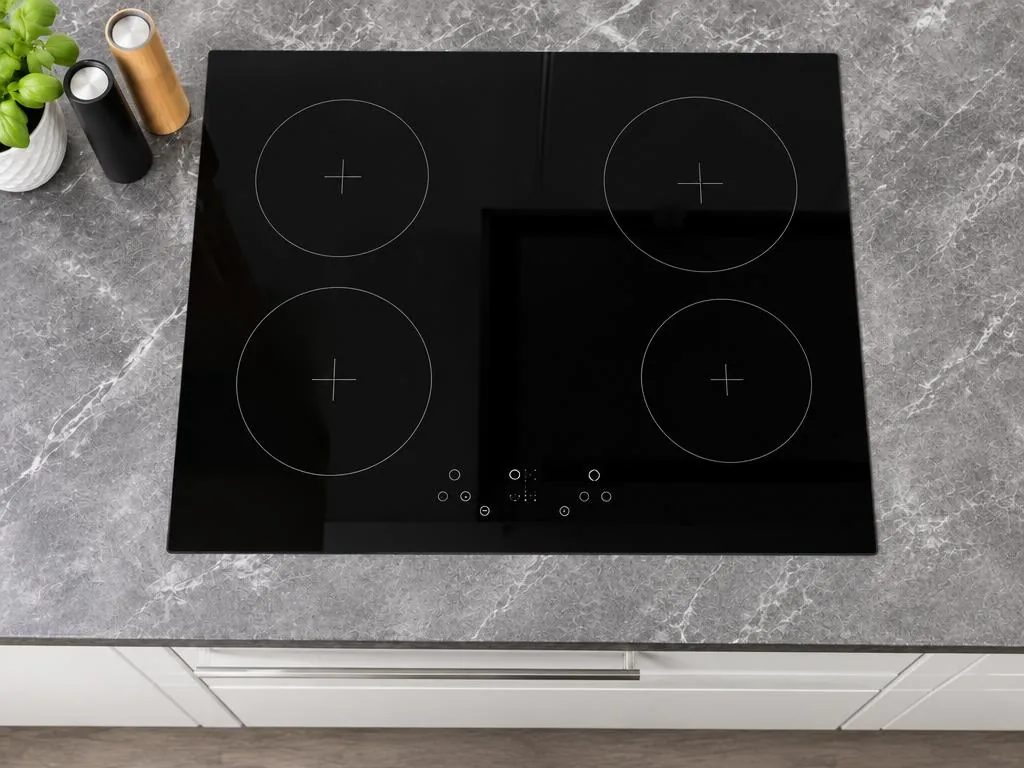
Black glass four-zone induction cooktop set into a kitchen countertop

Start with the symptom

The technician explains the diagnosis and quotes the repair before any work begins. The service-call fee is credited toward your repair when you go ahead with it.

Request service

We’ll contact you to confirm availability. Sending a request does not reserve a time.

Symptoms we fix

Gas burner will not light

Possible causes. A wet or incorrectly seated cap, blocked ignition path, failed electrode, spark switch, or supply issue may prevent ignition. A burner with no spark is different from one that sparks but will not light. Gas odor requires emergency action, not repeated attempts.

What the technician checks. After the area is safe, the technician checks the burner assembly, ignition pattern, and model-specific controls. Which burners fail and whether cleaning preceded the problem are useful clues. Gas connections and internal ignition components must not be handled as DIY troubleshooting.

Typical repair. An accessible cap may need correct placement after cooling, or a confirmed electrode, switch, or module may need replacement. Any gas-path issue requires safe professional assessment. Do not use an open flame to search for a leak or bypass ignition controls.

First-visit outlook. An accessible adjustment or obstruction may be addressed during the visit. A failed component, hidden damage, or an intermittent fault can require parts or further testing; immediate completion is not guaranteed.

Igniters click continuously

Possible causes. Moisture, residue near an electrode, a stuck spark switch, or a module fault can cause persistent clicking. Some models spark at several burners when one is being lit, which can be normal. Clicking with controls off or after stable ignition needs closer attention.

What the technician checks. The technician relates the symptom to the knobs, checks permitted burner components, and evaluates ignition switches and module operation. The model’s normal sequence matters. Recent cleaning may explain moisture, but should not be used to dismiss an ongoing electrical or ignition fault.

Typical repair. Manual-approved drying or cap correction may help when the assembly is intact. A diagnosed switch, electrode, or module problem needs suitable replacement. Do not disconnect wires to silence the spark or continue using a cooktop with gas odor or unsafe behavior.

First-visit outlook. An accessible adjustment or obstruction may be addressed during the visit. A failed component, hidden damage, or an intermittent fault can require parts or further testing; immediate completion is not guaranteed.

Electric cooking zone does not heat

Possible causes. A failed radiant element, switch, temperature limiter, connector, or electronic control can leave a zone cold. On multi-ring elements, only one section may fail. A supply problem can affect more than one zone, so the pattern helps guide diagnosis.

What the technician checks. The technician checks the affected zone’s circuit, element condition, control response, and safe connections. Glass-surface designs differ from exposed coil systems. Electrical testing and access beneath the cooktop are professional tasks; a lit indicator does not prove the element is receiving power.

Typical repair. A confirmed element, limiter, connector, or control fault can be repaired with a model-specific part. Damaged wiring must be addressed, not covered by a setting change. Do not lift the glass or test exposed conductors while the appliance is energized.

First-visit outlook. Completion on the first visit depends on the confirmed fault, safe access, and the correct model-specific part being available. A return visit may be needed if a component must be ordered.

Induction zone will not detect cookware

Possible causes. Incompatible cookware, unsuitable pan size or placement, control lock, overheating protection, or a power-module fault can stop induction heating. The pan and zone communicate differently from radiant cooking, so a zone remaining cool does not automatically mean an element is broken.

What the technician checks. The technician checks the model’s cookware requirements, controls, displayed errors, cooling conditions, and module behavior. Whether the same pan works on another zone is useful information if checked safely. Internal module testing must follow the design and not be guessed from an error alone.

Typical repair. A cookware or setting issue may need no component repair. A confirmed sensor, fan, or power-module fault needs the correct part and a quote. Do not open the unit or defeat protective controls to make it accept a pan.

First-visit outlook. An accessible adjustment or obstruction may be addressed during the visit. A failed component, hidden damage, or an intermittent fault can require parts or further testing; immediate completion is not guaranteed.

Zone stays on high or will not turn off

Possible causes. A stuck switch, failed control relay, sensor fault, or other control problem can prevent regulation. Residual heat on glass is different from a zone that continues actively heating after the controls are off. The latter requires shutdown rather than continued observation while cooking.

What the technician checks. The technician checks command response, power switching, and relevant temperature sensing with safe isolation as needed. The issue must be distinguished from the surface simply cooling down. Do not touch the glass to test the temperature or leave an uncontrolled zone unattended.

Typical repair. A diagnosed switch, relay, or control component can be replaced. Until it is assessed, isolate power at a safely accessible breaker if the zone remains energized. Gas-control problems require an appropriate professional response; gas odor calls for immediate evacuation.

First-visit outlook. Completion on the first visit depends on the confirmed fault, safe access, and the correct model-specific part being available. A return visit may be needed if a component must be ordered.

Touch controls do not respond or show errors

Possible causes. Control lock, moisture on the surface, power interruption, overheating, or a touch-panel/module fault may affect response. A code usually identifies a detected condition rather than directly naming the failed part. Different models use different reset and lock procedures.

What the technician checks. The technician checks settings, surface condition, supply, cooling, and model-specific error history. A wet panel can behave differently from a damaged control. Owner checks should be limited to the manual’s external procedures without removing the glass or accessing live electronics.

Typical repair. A manual-approved setting or surface correction may help, while a confirmed control or cooling component needs replacement. Record the code before any approved reset. Repeated resets that temporarily clear a fault do not establish that the cooktop is safe or repaired.

First-visit outlook. Completion on the first visit depends on the confirmed fault, safe access, and the correct model-specific part being available. A return visit may be needed if a component must be ordered.

Types we service

Our listed residential service includes gas cooktops, electric radiant surfaces, and induction cooktops. A downdraft arrangement, built-in cabinetry, or hardwired supply can affect access. Share the model and fuel type before the visit. We do not infer support for an unlisted premium brand merely from the style of the cooktop; call to confirm the specific model.

  • Gas cooktops
  • Electric radiant cooktops
  • Induction cooktops

Brands we work on

  • Wolf logo
  • Thermador logo
  • Viking logo
  • Miele logo
  • GE logo
  • KitchenAid logo
  • Bosch logo
  • Fisher & Paykel logo

Independent appliance repair service, not affiliated with or authorized by any manufacturer. Call with the model to confirm service for a brand not listed here.

What to do while you wait

  • If you smell gas, leave without using switches or a phone indoors and call the gas utility or 911 from outside. Do not try to close a valve in the suspected leak area or move the cooktop to inspect it.
  • Turn controls off and let the surface cool. If a zone continues heating, isolate it at a safe breaker. Do not touch glass to assess heat or leave cookware on an uncontrolled burner.
  • For external cleaning or removable gas caps, follow the exact owner manual and its power-isolation instructions. Do not remove the glass, repair internal wires, bypass safety devices, or adjust gas components.
  • Stop using a cracked glass surface. Liquid can reach parts beneath it, and heating can worsen damage. Keep people away and request an assessment rather than seal the crack or continue cooking.

Repair or replace?

A switch, electrode, or sensor repair is different from major glass damage or several failed electronic modules. Compare the quote with the full installed replacement cost, including the counter cutout, electrical or gas connection, and any ventilation changes. A visually similar cooktop may not fit the same opening.

Service life varies with design, use, installation, and condition. Age alone does not settle the decision, and no universal repair-cost percentage applies to every built-in unit. Consider recurring faults, part availability, surface condition, and safe operation. Discuss manufacturer coverage separately before arranging independent work on a covered appliance.

Cost factors

The repair quote depends on the diagnosed fault, the correct part for the model, labor time, and safe access to the appliance. A control board replacement is a different job from an accessible connection or adjustment. Parts ordering and a return visit may affect the plan, so ask what is included before deciding to proceed.

The technician explains the diagnosis and quotes before work begins. The service-call fee is credited toward your repair when you go ahead with it. There is no published price range because symptoms do not establish the work required. Ask about coverage for the proposed repair and whether replacement is a reasonable alternative.

What appliance repair costs →

Repairs are backed by a 3-month warranty. Warranty information →

Related guides

Cooktop Repair FAQs

Why does an induction zone reject one pan?

Induction cookware needs a suitable magnetic base and an appropriate size and position for the zone. Check the model manual. A pan issue can look like a failed zone, but persistent problems with compatible cookware need diagnosis. Do not assume a module is faulty solely because one pan is not detected.

Is clicking at several gas burners normal?

Some models spark multiple electrodes when one burner is being lit. Continuous clicking with knobs off or after stable ignition is different and may involve moisture, switches, or a module. Follow only external cleaning guidance from the manual. Any gas odor requires evacuation and an emergency call from outside.

Can a cracked cooktop surface be repaired with adhesive?

Do not use adhesive or continue heating a cracked surface. The correct remedy may involve replacing the glass assembly after assessing the model and damage. Liquid and heat can create further hazards. Stop use and ask for a quote; glass availability and total cost affect the repair-versus-replace decision.

Why does a zone remain hot after I switch it off?

Glass surfaces retain heat after power stops, which is normal. A zone that keeps actively heating or cannot be controlled is different. Keep people away and isolate power at a safely accessible breaker if necessary. Do not touch the surface or leave the appliance unattended while trying to distinguish a fault.

Do you work on gas, electric, and induction models?

Those types are included in our confirmed residential cooktop scope. Provide the brand, model, and installation details so the team can discuss service availability. We do not claim every model or unlisted brand is supported. Access and the correct parts determine the specific repair plan.

Should I keep resetting an error code?

No. Record the code and follow only the model’s approved external reset instructions. Repeated errors can indicate overheating, supply, sensing, or control problems. A reset that clears the display briefly is not proof of repair. Stop use if the appliance behaves unsafely or fails to regulate heat.

Will the first visit include the repair?

The technician diagnoses the problem and quotes before work. Completion depends on access, the fault, and part availability. An external adjustment differs from a glass or module replacement. The team confirms scheduling, and completed repairs have a 3-month warranty; ask about the terms for the specific work.

Request cooktop repair

Send a request and our team will contact you to confirm availability.

Request Service
Call TextRequest