Skip to content

Refrigerator Repair in Belmont & Greater Boston

A warm refrigerator, a fresh puddle, or repeated clicking needs a diagnosis, not a guess at a replacement part. We provide residential, in-home refrigerator repair in Belmont and nearby Greater Boston towns. Tell us what changed, whether the freezer still works, and the model number if available.

  • Open daily 7 AM–7 PM
  • 3-month warranty
  • Insured
  • Service-call credit toward repair
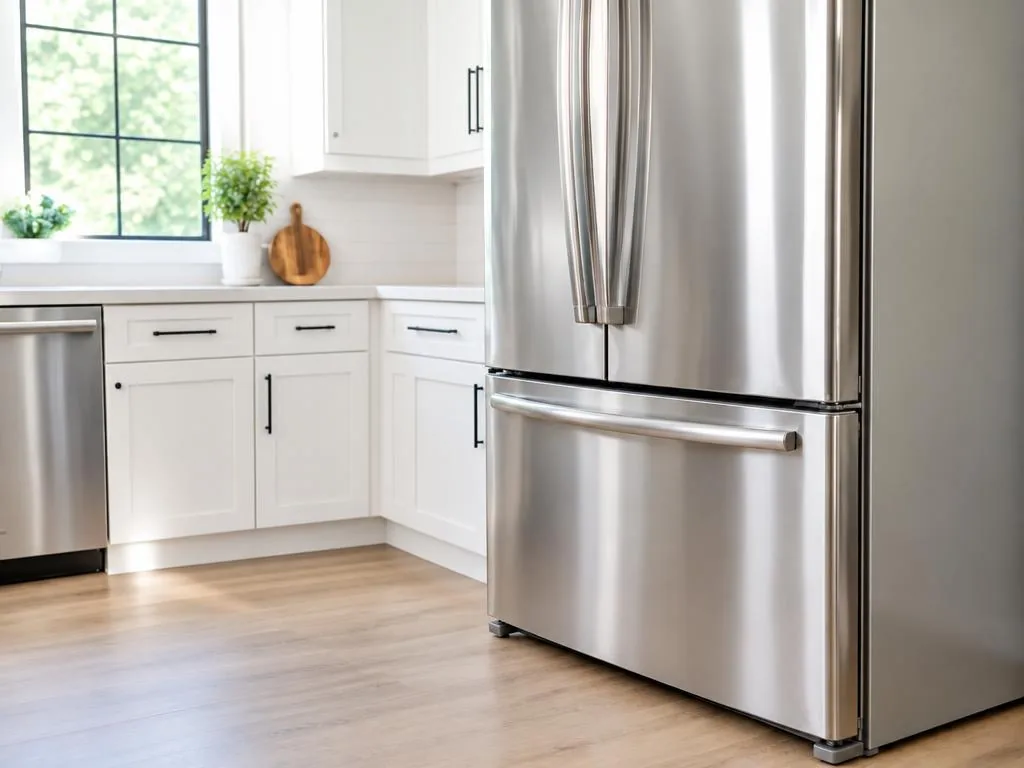
Stainless French-door refrigerator in a bright residential kitchen

Start with the symptom

The technician explains the diagnosis and quotes the repair before any work begins. The service-call fee is credited toward your repair when you go ahead with it.

Request service

We’ll contact you to confirm availability. Sending a request does not reserve a time.

Symptoms we fix

Refrigerator not cooling or running warm

Possible causes. Possible causes include blocked condenser airflow, a failed evaporator fan, a defrost fault, or a compressor/start-circuit problem. A sealed-system fault is another possibility, but warm food alone cannot distinguish it from an airflow problem.

What the technician checks. The technician checks actual temperatures, airflow, fan operation, condenser condition, and the evaporator frost pattern. Electrical and compressor-start checks help separate a control issue from a cooling-system problem without assuming the compressor has failed.

Typical repair. The repair may involve restoring airflow or replacing a confirmed failed fan, sensor, relay, or defrost component. Suspected sealed-system work requires a model-specific assessment and a discussion of repair options before proceeding.

First-visit outlook. An accessible airflow problem may be resolved during the visit. Component replacement depends on the correct part; sealed-system assessment or unavailable parts can require another visit.


Freezer cold but refrigerator warm

Possible causes. A stopped evaporator fan, iced-over air passage, stuck damper, or overloaded shelves can prevent cold air reaching the refrigerator. The freezer temperature may look acceptable even while circulation between compartments is restricted.

What the technician checks. The technician checks the fan, supply and return air passages, damper movement, and signs of ice behind the evaporator cover. Temperature readings in both compartments matter more than whether the freezer feels cold to your hand.

Typical repair. A confirmed airflow obstruction can be cleared, while a failed fan or damper needs the appropriate replacement. If ice caused the blockage, the underlying defrost or door-seal problem must be addressed rather than only melting the ice.

First-visit outlook. A simple accessible obstruction may be handled at the visit. A fan, damper, or defrost part is model-specific, so completion depends on diagnosis and part availability.

Water leaking beneath the refrigerator

Possible causes. A restricted defrost drain, loose water connection, leaking inlet valve, or damaged drain pan can leave water below the appliance. Water inside the fresh-food compartment points to a different path from a supply-line leak behind the cabinet.

What the technician checks. The technician traces where the water begins and when it appears, checks the drain path and pan, and inspects accessible water fittings. Leaks that occur only during dispenser use or ice production help narrow the inspection.

Typical repair. The solution may be clearing the diagnosed drain restriction, replacing a leaking fitting or valve, or repairing a damaged drainage component. Stopping the water supply protects the floor but does not identify the failed part.

First-visit outlook. An accessible drain blockage or connection may be addressed during the visit. Hidden damage, a valve replacement, or a model-specific pan may require parts or additional access.

Frost building up on the back panel

Possible causes. A defrost heater, defrost thermostat or sensor, control board, or poor door seal may allow ice to accumulate. Some frost patterns reflect humid air entering the cabinet; others indicate the evaporator is not defrosting normally.

What the technician checks. The technician examines the frost pattern, door fit, heater circuit, temperature-sensing components, and defrost control behavior according to the model. A heavily iced evaporator can restrict airflow even when the compressor and fan still run.

Typical repair. A confirmed failed defrost component or seal can be replaced. Thawing alone is not a lasting repair if the heater or control remains faulty, and sharp tools must never be used to chip ice from cooling surfaces.

First-visit outlook. Defrost diagnosis may require thawing and testing time. Finishing during one visit depends on access and the correct heater, sensor, board, or seal being available.

Repeated clicking, buzzing, or rattling

Possible causes. Possible sources include a compressor start relay or overload, a fan blade touching ice, loose panels, or vibration from the cabinet. An occasional operating sound is different from repeated failed start attempts accompanied by rising temperatures.

What the technician checks. The technician locates the sound, checks fan clearance and mounting, and tests the start circuit and compressor electrical condition when appropriate. Recording when the sound happens can help, especially if the fault is intermittent.

Typical repair. Loose mounting may be corrected, fan interference addressed, or a failed start component replaced after testing. A compressor-related fault needs its own assessment; changing a relay without checking the circuit may not solve the problem.

First-visit outlook. A mounting or clearance issue may be resolved at the visit. Electrical components depend on the model, and suspected compressor damage can require a separate repair discussion.

Refrigerator runs constantly or cycles excessively

Possible causes. Warm room conditions, dirty condenser surfaces, a leaking gasket, a temperature-sensor fault, or reduced cooling capacity can extend run time. Frequent door openings and a recent food load also affect operation without proving a component has failed.

What the technician checks. The technician compares temperatures with the settings, checks accessible condenser airflow and seals, and evaluates cycling and frost patterns. The goal is to distinguish a normal response to conditions from a control or cooling-system fault.

Typical repair. The repair may restore ventilation, correct a sealing problem, or replace a tested failed sensor or control. If cooling capacity is reduced, the diagnosis guides whether further system work is reasonable for the appliance.

First-visit outlook. An accessible ventilation issue may be corrected during the visit. Replacement seals and controls are model-specific; intermittent faults may need further observation or a return visit.

Types we service

French-door and side-by-side refrigerators route airflow differently from top- or bottom-freezer models. Built-in and panel-ready installations also change access to the condenser, controls, and water connections. Share the model number and mention custom panels or tight clearance before the visit; the installation can affect both diagnosis and the repair plan.

  • French door
  • Side-by-side
  • Top freezer
  • Bottom freezer
  • Built-in / panel-ready

Brands we work on

  • Sub-Zero logo
  • Thermador logo
  • Viking logo
  • Miele logo
  • Samsung logo
  • LG logo
  • GE logo
  • Whirlpool logo
  • Maytag logo
  • KitchenAid logo
  • Bosch logo
  • Frigidaire logo
  • Fisher & Paykel logo

Independent appliance repair service, not affiliated with or authorized by any manufacturer. Call with the model to confirm service for a brand not listed here.

What to do while you wait

  • Keep doors closed as much as possible and move perishable food to another working refrigerator or an iced cooler. Do not judge food safety by smell; use a thermometer and follow USDA guidance if temperatures have risen.
  • For an active water leak, turn off the accessible refrigerator water-supply valve if you can do so safely. Keep water away from outlets, and do not reach a plug while standing in water.
  • If there is smoke, a burning smell, or damaged wiring, stop using the refrigerator and disconnect power only if safe. Do not repeatedly unplug and reconnect it to force the compressor to start.
  • Keep vents clear and record temperature changes, sounds, and error codes. Do not remove electrical covers, puncture refrigerant tubing, bypass protective devices, or use sharp tools to remove ice.

Repair or replace?

Age is one factor, not a diagnosis. Compare the confirmed repair quote with the full cost of a suitable replacement, including delivery, installation, removal, and fitting a built-in opening. A worn seal or failed fan is a different decision from a major cooling-system problem.

A historical NAHB study summarized by Consumer Reports estimated average refrigerator life at about 13 years, not a guarantee for your unit. Maintenance, operating conditions, and design affect service life. Consider repeated failures and part availability, and ask about manufacturer coverage before authorizing work on a potentially covered component.

Cost factors

Refrigerator repair costs depend on the failed part, diagnostic time, access, and whether a component must be ordered. Built-in cabinetry, water-line access, and cooling-system assessment can change the work involved. An error code alone is not enough to quote the complete repair.

The technician explains the diagnosis and quotes before work begins. Ask what is included, whether a return visit is needed, and how the service-call credit applies. Do not assume that a repair can be completed immediately simply because the symptom is familiar.

What appliance repair costs →

Repairs are backed by a 3-month warranty. Warranty information →

Related guides

Refrigerator Repair FAQs

Can a warm refrigerator still have a cold freezer?

Yes. A circulation problem can leave the freezer cold while the refrigerator warms. Blocked ducts, a stopped evaporator fan, or a faulty damper are possible causes. Describe both compartments when requesting service; the temperature difference is useful diagnostic information, not proof of a particular failed part.

Should I unplug a refrigerator that is not cooling?

For a cooling complaint alone, avoid repeated power cycling and protect the food first. If you notice smoke, damaged wiring, or a burning smell, stop use and disconnect power only when safe. A technician can advise on shutdown for diagnosis; do not work on live components.

Does frost mean the refrigerator needs refrigerant?

Not necessarily. Defrost faults and leaking door seals can create frost without refrigerant loss. The location and pattern matter. A technician evaluates airflow, defrost operation, and the cooling system before recommending work. Adding refrigerant without diagnosing a leak or restriction is not a sound repair plan.

Can you assess a built-in refrigerator?

Our service includes built-in and panel-ready residential refrigerators. Tell us the model and describe the installation when you request service. Cabinet panels, ventilation, and access can affect the visit. The team will discuss the repair scope and availability rather than assume every installation has the same requirements.

Will the repair be finished on the first visit?

It depends on the diagnosis, access, and availability of the correct part. A simple obstruction is different from a fan replacement or cooling-system investigation. We do not publish first-visit success rates or promise immediate completion. The technician explains the proposed work and any need for another visit.

What information helps before the visit?

Have the model number, approximate temperatures if measured, and a short symptom history ready. Mention leaks, noises, error codes, and whether ice production changed. A photograph of the model label can help identify parts. Do not remove panels or put yourself at risk to gather information.

Is refrigerator repair covered by your warranty?

Completed repairs are backed by our 3-month warranty. Ask about the terms for the specific work being quoted. If the original problem returns, call with your visit information and describe the symptom. A different fault does not automatically establish coverage; our team can discuss the next step.

Request refrigerator repair

Send a request and our team will contact you to confirm availability.

Request Service
Call TextRequest