Skip to content

Dishwasher Repair in Belmont & Greater Boston

Standing water, a leak at the door, or dishes left dirty can come from drainage, filling, circulation, or control problems. We diagnose residential dishwashers in Belmont and nearby Greater Boston towns. Stop running a leaking dishwasher and describe when the symptom appears so the visit can focus on the relevant part of the cycle.

  • Open daily 7 AM–7 PM
  • 3-month warranty
  • Insured
  • Service-call credit toward repair
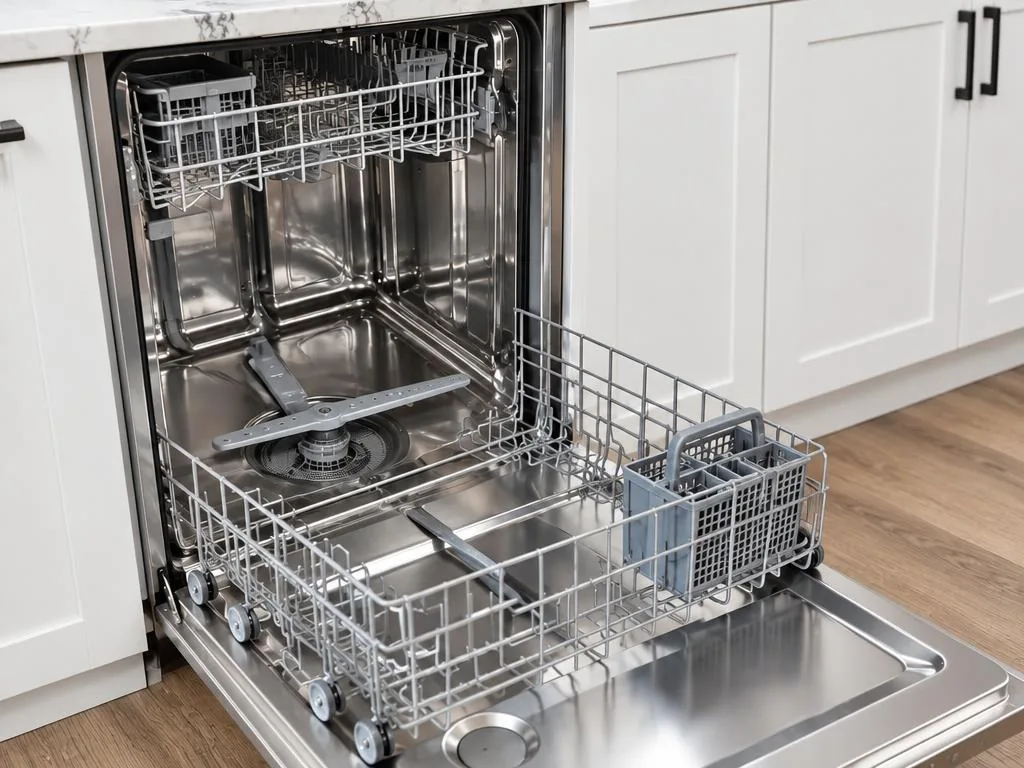
Open built-in stainless dishwasher showing its racks and clean interior

Start with the symptom

The technician explains the diagnosis and quotes the repair before any work begins. The service-call fee is credited toward your repair when you go ahead with it.

Request service

We’ll contact you to confirm availability. Sending a request does not reserve a time.

Symptoms we fix

Dishwasher leaves water in the bottom

Possible causes. A restricted filter or drain hose, blocked sink connection, failed drain pump, or control issue can leave water behind. A small amount of water in a sump may be normal on some models; a flooded tub or dirty standing water needs assessment.

What the technician checks. The technician checks the drain route, accessible filter area, pump operation, and connection to the sink or disposal. Recent plumbing work is useful context. An installation restriction can resemble a failed pump, so both the appliance and discharge path matter.

Typical repair. A diagnosed blockage can be cleared, a damaged hose replaced, or a confirmed failed pump repaired with the correct part. If the sink drain is the cause, appliance parts will not fix it. The technician should explain that distinction.

First-visit outlook. An accessible adjustment or obstruction may be addressed during the visit. A failed component, hidden damage, or an intermittent fault can require parts or further testing; immediate completion is not guaranteed.


Dishes remain dirty after a cycle

Possible causes. Blocked spray arms, a restricted filter, poor loading, insufficient filling, or weak circulation can reduce cleaning. Detergent, cycle choice, and water conditions also matter. Dirty dishes alone do not establish that a circulation motor or control board has failed.

What the technician checks. The technician checks water level, circulation, spray-arm movement, and cycle behavior, while considering loading and detergent. A utensil stopping a spray arm is different from a pump fault. Owner-removable filters can be checked according to the manual without dismantling the appliance.

Typical repair. The solution may restore unobstructed spray and filtration, or replace a tested valve or circulation component. A cleaning adjustment may help when the mechanics work normally; persistent poor wash pressure requires diagnosis rather than repeated changes of detergent.

First-visit outlook. An accessible adjustment or obstruction may be addressed during the visit. A failed component, hidden damage, or an intermittent fault can require parts or further testing; immediate completion is not guaranteed.

Dishwasher leaks onto the floor

Possible causes. A damaged door gasket, loose hose, pump seal, overfill condition, or excess suds can produce water outside the tub. A misplaced dish can redirect spray toward the door. The stage of the cycle helps separate a fill leak from a circulation or drain leak.

What the technician checks. The technician traces the water source and checks seals, hose connections, level, filling behavior, and float-switch operation where fitted. Detergent type matters: hand-washing soap can create excessive suds. A door leak is not automatically solved by replacing the gasket.

Typical repair. A confirmed seal, hose, valve, or pump fault can be repaired. An overfill problem needs its cause corrected, and continuing to run the appliance risks floor damage. Shut the accessible water supply if safe and keep water away from electrical connections.

First-visit outlook. Completion on the first visit depends on the confirmed fault, safe access, and the correct model-specific part being available. A return visit may be needed if a component must be ordered.

Dishwasher does not fill with water

Possible causes. A closed supply valve, failed inlet valve, float or float-switch problem, or door-latch fault can prevent filling. On some models, controls and water-level sensing add other possibilities. Hearing a pump does not necessarily mean water has entered the tub.

What the technician checks. The technician checks supply conditions, door feedback, inlet-valve operation, and the relevant level or float system. The cycle sequence helps distinguish a normal initial drain from a genuine failure to fill. Parts should be selected from the model information, not the sound alone.

Typical repair. A supply restriction may be corrected or a tested failed valve, switch, or latch replaced. Do not force the float, bypass a switch, or remove a live valve to test it. An appliance repair and a building water-supply repair are different tasks.

First-visit outlook. Completion on the first visit depends on the confirmed fault, safe access, and the correct model-specific part being available. A return visit may be needed if a component must be ordered.

Dishwasher will not start or stops mid-cycle

Possible causes. A door latch, control lock, delayed-start setting, power interruption, or control fault can prevent a cycle. Intermittent door feedback may stop operation after it begins. Error codes describe detected conditions and do not always identify the failed component directly.

What the technician checks. The technician verifies settings, power, latch feedback, and the model’s error history. Drain and filling behavior may also explain a stopped cycle. Checking the sequence prevents a working control board from being blamed for a latch or water-supply problem.

Typical repair. A diagnosed latch, connection, or control fault can be repaired with suitable parts. A setting adjustment is different from an internal failure. Do not defeat door interlocks to make the dishwasher run with the door open.

First-visit outlook. Completion on the first visit depends on the confirmed fault, safe access, and the correct model-specific part being available. A return visit may be needed if a component must be ordered.

Dishes stay wet or drying performance changes

Possible causes. Rinse-aid settings, loading, a heating fault, vent or fan trouble, or the model’s drying design can affect moisture. Plastics often dry differently from glass or ceramic. Not every dishwasher uses an exposed heater, so the repair approach must match the appliance.

What the technician checks. The technician checks the selected drying option, rinse conditions, heater or fan behavior where applicable, and relevant sensing. Comparing current performance with previous results helps identify a new fault. A cold wash and poor drying together may point toward a shared heating issue.

Typical repair. The fix may involve a confirmed heater, thermostat, fan, or control replacement, or an owner-setting adjustment supported by the manual. The technician explains what drying performance the model is designed to provide rather than promise completely dry plastic dishes.

First-visit outlook. Completion on the first visit depends on the confirmed fault, safe access, and the correct model-specific part being available. A return visit may be needed if a component must be ordered.

Types we service

We service built-in, panel-ready, and drawer dishwashers used in homes. A custom panel or tightly fitted cabinet can change access to the base and connections. Tell us the model and whether it is a single or double drawer. Do not pull the appliance out, disconnect a supply line, or remove a cabinet panel to prepare for the visit.

  • Built-in dishwashers
  • Panel-ready dishwashers
  • Drawer dishwashers

Brands we work on

  • Thermador logo
  • Viking logo
  • Miele logo
  • Samsung logo
  • LG logo
  • GE logo
  • Whirlpool logo
  • Maytag logo
  • KitchenAid logo
  • Bosch logo
  • Frigidaire logo
  • Fisher & Paykel logo

Independent appliance repair service, not affiliated with or authorized by any manufacturer. Call with the model to confirm service for a brand not listed here.

What to do while you wait

  • Stop a leaking dishwasher and wipe up water where safe. Close the accessible water-supply valve if you can do so safely; do not reach under the appliance around wet wiring.
  • Before cleaning an owner-removable filter, switch off power and follow the exact model manual. Be alert for broken glass, and do not reach blindly into the pump or remove internal covers.
  • Use dishwasher detergent only, and do not add hand-dishwashing soap. Keep large utensils from blocking spray arms. These checks do not replace diagnosis when leaking or drainage problems persist.
  • Note the error code and whether the issue happens during filling, washing, draining, or drying. Never bypass the latch, float switch, or other safety devices to keep a cycle running.

Repair or replace?

A hose, latch, or inlet-valve repair can be a different choice from major circulation work plus extensive leakage or corrosion. Compare the quote with replacement including delivery, installation, removal, and custom-panel compatibility. Water damage outside the appliance may need separate attention whichever option you choose.

Dishwasher life varies with use, maintenance, water conditions, and model. Consider repeated failures, tub condition, parts availability, and cleaning performance rather than applying a universal age cutoff. A diagnosis can distinguish an appliance fault from a drain or supply problem that replacement would not solve.

Cost factors

The repair quote depends on the diagnosed fault, the correct part for the model, labor time, and safe access to the appliance. A control board replacement is a different job from an accessible connection or adjustment. Parts ordering and a return visit may affect the plan, so ask what is included before deciding to proceed.

The technician explains the diagnosis and quotes before work begins. The service-call fee is credited toward your repair when you go ahead with it. There is no published price range because symptoms do not establish the work required. Ask about coverage for the proposed repair and whether replacement is a reasonable alternative.

What appliance repair costs →

Repairs are backed by a 3-month warranty. Warranty information →

Related guides

Dishwasher Repair FAQs

Is a little water below the filter normal?

Some models retain a small amount in the sump, while dirty water covering the tub floor or returning after draining suggests a problem. Check the model manual rather than compare only with another dishwasher. Report the amount and when it appears; the technician can assess the drain path and pump behavior.

Can a sink or disposal connection cause poor draining?

Yes. The discharge path and installation can restrict flow even when the dishwasher pump works. Mention recent sink, disposal, or plumbing work. The technician checks the connection as part of diagnosis. A household drain fault may need plumbing correction rather than replacement of the dishwasher pump.

Does a door leak always need a new gasket?

No. Spray direction, loading, leveling, suds, or overfilling can also send water past the door. The technician traces the leak and checks fill behavior before choosing a part. Stop using the dishwasher until the cause is assessed so a small leak does not become larger floor damage.

Why are dishes dirty when the machine sounds normal?

The motor sound does not prove adequate water level or circulation. Spray arms can be blocked, filling can be low, or filters can restrict flow. Loading and detergent also matter. The technician checks wash action and the cycle rather than assume the pump is healthy because it makes noise.

Do drawer and panel-ready models need special preparation?

Mention the model and installation details when requesting service. Access, drawer layout, and custom panels can affect inspection and parts. Leave removal and connections to the technician. Do not dismantle cabinetry or disconnect water and electrical supplies unless instructed by an appropriate professional for a safe reason.

Can I clean the filter before the visit?

Only if the owner manual describes it as removable and you can do so safely with power off. Watch for glass and follow the recommended cleaning procedure. Do not reach into a pump opening or remove internal parts. If the dishwasher leaks or will not drain, stop running it while awaiting diagnosis.

Will a repair be quoted before work starts?

Yes. The technician explains the diagnosis and quotes before repair work begins. Ask about the needed part, whether a return visit is expected, and what the quote covers. The service-call fee is credited toward the repair when you proceed; completed repairs have a 3-month warranty.

Safety and manufacturer references

Request dishwasher repair

Send a request and our team will contact you to confirm availability.

Request Service
Call TextRequest