Skip to content

Washer Repair in Belmont & Greater Boston

Water left in the drum, an unlocked lid, or a washer that stops at the same point in the cycle can have several causes. We diagnose residential washers in your home across Belmont and nearby Greater Boston towns. Note the cycle, load conditions, and any error code rather than trying to force the machine through another wash.

  • Open daily 7 AM–7 PM
  • 3-month warranty
  • Insured
  • Service-call credit toward repair
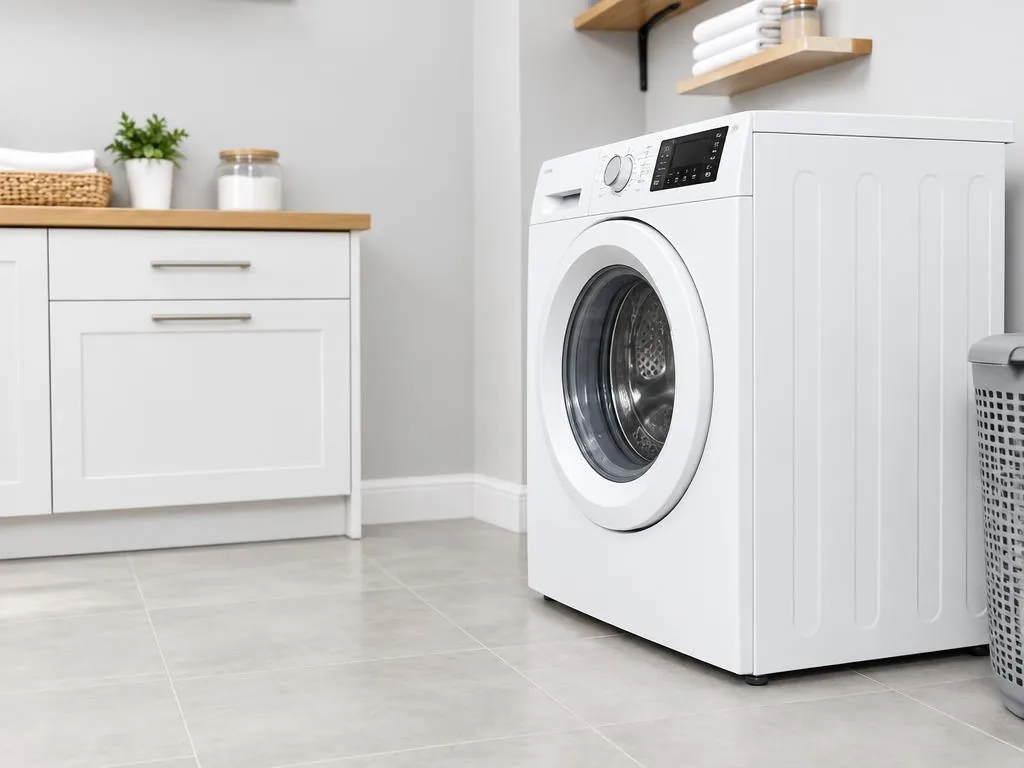
White front-load washing machine in a bright home laundry room

Start with the symptom

The technician explains the diagnosis and quotes the repair before any work begins. The service-call fee is credited toward your repair when you go ahead with it.

Request service

We’ll contact you to confirm availability. Sending a request does not reserve a time.

Symptoms we fix

Washer will not drain

Possible causes. A blocked drain hose, obstructed pump, failed drain-pump motor, or control issue can leave water in the drum. Excess suds or a drain installation problem can also interrupt draining, so standing water does not automatically mean the pump needs replacement.

What the technician checks. The technician checks the drain route, pump operation, accessible obstructions, and the machine’s commands to drain. Water-level readings and installation height help distinguish a restricted discharge from a pump or sensing fault without overlooking the household drain.

Typical repair. A diagnosed obstruction can be removed; a failed pump or damaged hose needs replacement. If the problem is the home’s drain rather than the washer, that distinction should be explained before appliance parts are ordered.

First-visit outlook. An accessible obstruction may be resolved during the visit. Pump replacement depends on model and availability, while a household drain issue may require a separate plumbing repair.

Washer will not spin or leaves clothes soaked

Possible causes. Possible causes include a lid lock or door latch fault, a worn belt, a shift actuator on some top-load models, or an unbalanced load. A washer that has not drained may also prevent spin as part of its normal protection logic.

What the technician checks. The technician checks whether draining completed, verifies lock feedback, and evaluates the drive system and model-specific actuator operation. Load distribution and leveling are checked alongside electrical faults so a recurring imbalance is not mistaken for a control-board failure.

Typical repair. The fix may correct leveling or a load problem, or replace a confirmed failed latch, belt, actuator, or drive component. Safety interlocks must remain functional; bypassing a lid switch is not an acceptable repair.

First-visit outlook. An installation adjustment may be completed on the visit. Latches and drive parts are model-specific, and multiple faults can change the repair plan and require ordered components.

Water leaking from the washer

Possible causes. A damaged door boot, loose or split hose, pump seal, or excessive detergent can cause a leak. On front-load machines, trapped clothing at the door is another possibility; the location and timing help separate fill, wash, and drain leaks.

What the technician checks. The technician traces the source during the relevant cycle stage and inspects supply lines, drain connections, door seals, and pump area. Checking detergent use and load size prevents an oversudsing problem from being overlooked during a mechanical inspection.

Typical repair. A diagnosed hose, seal, or pump fault can be repaired or replaced. An installation or detergent issue needs a different correction from a torn boot. Continuing to run the machine can increase floor damage and electrical risk.

First-visit outlook. An accessible hose connection may be addressed during the visit. Door boots and pumps often require model-matched parts, and hidden water damage can complicate access or require other help.

Washer will not fill or fills slowly

Possible causes. Closed supply valves, a restricted inlet path, a failed inlet valve, or water-level sensing faults can prevent filling. Some cycles deliberately use little water, so low visible water on a high-efficiency washer is not alone evidence of a malfunction.

What the technician checks. The technician checks the supply conditions, inlet-valve operation, cycle behavior, and pressure-sensing system. Hot and cold fill paths may be tested separately. Diagnostic results help identify whether the fault lies in the appliance or its water supply.

Typical repair. A supply restriction may be corrected, while a tested failed valve or sensor needs replacement. Do not loosen a pressurized hose or dismantle a valve yourself; water and electrical connections must be handled safely.

First-visit outlook. A simple supply issue may be corrected during the visit if accessible. Inlet valves and sensing components depend on the model, and a building water-supply problem may need plumbing service.

Banging, shaking, or grinding during spin

Possible causes. An uneven load, unlevel cabinet, worn suspension, or bearing/drive problem may cause excessive movement or noise. A newly installed machine can also shake if shipping hardware remains in place; severe vibration is a reason to stop the cycle.

What the technician checks. The technician checks leveling, installation, suspension movement, and whether the sound comes from the drum or drive. Noise during spin differs from pump noise during draining, and the stage of the cycle helps narrow the checks.

Typical repair. The repair may correct installation or replace damaged suspension or drive components after diagnosis. A major bearing or tub repair can involve substantial labor and should be compared with replacement rather than treated like a simple leveling adjustment.

First-visit outlook. Leveling may be corrected on the visit. Suspension, bearing, and tub parts may need ordering, and major internal work can require additional time or a separate repair decision.

Door or lid stays locked, or an error stops the cycle

Possible causes. Water remaining in the drum, a failed lock mechanism, interrupted power, or a sensing/control fault can keep the door locked. A displayed error identifies a condition recognized by the machine; it does not always identify the part that caused it.

What the technician checks. The technician checks the water level, drain status, lock feedback, and model-specific error history. A latch problem and a drain problem can look similar from the outside, so forcing the door may damage a working safety mechanism.

Typical repair. A confirmed failed lock or sensing component can be replaced, or the underlying drainage fault corrected. The technician follows the manufacturer’s release procedure if needed; tools should not be used to pry the door or defeat its interlock.

First-visit outlook. Completion depends on whether the cause is an accessible obstruction or a model-specific lock, sensor, or control. Intermittent errors may require additional testing before a repair recommendation.

Types we service

Front-load, top-load, and stacked laundry units use different locking, suspension, and drive systems. Compact washers can also have different access requirements. Mention whether your washer is stacked or enclosed in a closet and provide the model label if accessible. Do not unstack or pull out a heavy unit to prepare for the visit.

  • Front-load
  • Top-load
  • Stacked laundry centers
  • Compact washers

Brands we work on

  • Miele logo
  • Samsung logo
  • LG logo
  • GE logo
  • Whirlpool logo
  • Maytag logo
  • Bosch logo
  • Frigidaire logo
  • Fisher & Paykel logo

Independent appliance repair service, not affiliated with or authorized by any manufacturer. Call with the model to confirm service for a brand not listed here.

What to do while you wait

  • Stop a leaking or violently shaking washer. Close accessible water-supply valves if safe, and keep people away from wet electrical areas. Do not handle a plug while standing in water.
  • Do not force a locked door with water inside. Leave the machine off and describe the water level when requesting service; forcing the latch can cause flooding or damage.
  • Unplug before any owner-permitted external cleaning described in the manual. Do not remove panels, bypass lid locks, or reach beneath a powered machine to clear a pump.
  • Record the error code and the point in the cycle where it appears. Avoid repeated overloaded cycles, and use the detergent type and amount specified by the manufacturer.

Repair or replace?

A hose, pump, or latch repair is a different decision from major tub, bearing, or transmission work. Consider the age and condition of the washer, repeated problems, and availability of replacement parts. No age cutoff guarantees that a machine is beyond repair.

Compare the quote with the full replacement cost, including delivery, hookup, removal, and compatibility with a stacked dryer. Service life varies with use, maintenance, and design. A diagnosis provides a firmer basis for a decision than an error code or the appliance’s age alone.

Cost factors

Cost depends on the failed component, testing time, and access. Stacked installations, a door-boot replacement, or major drive-system work can take more labor than an accessible pump or latch. The model number helps identify the correct component before a part is ordered.

Ask what the quote includes and whether the repair requires another visit. The service-call fee is credited toward the repair when you proceed. A familiar symptom does not establish a fixed price; the technician explains the diagnosis before you decide on the work.

What appliance repair costs →

Repairs are backed by a 3-month warranty. Warranty information →

Related guides

Washer Repair FAQs

Why does the washer drain but refuse to spin?

The machine may not receive a valid locked-door signal, detect an unbalanced load, or have a drive problem. Top-load models can use a shift actuator that changes between agitation and spin. The technician checks the sequence and drive system; a working drain pump does not rule out these other faults.

Can I open a locked front-load washer?

Do not pry the door or defeat the latch. Water inside the drum can spill out suddenly. Follow only the owner-manual instructions for your exact model, and stop if the release procedure is unclear. Tell us whether water remains inside so the technician can plan a safe inspection.

Does a loud spin mean the bearings are bad?

Not always. Uneven loads, leveling, suspension, and drive parts can produce noise or movement. Bearing damage is one possibility, but it needs inspection. Note whether the noise happens with every load and whether the drum seems loose; do not continue running a machine that moves violently.

Are you able to service stacked laundry?

Stacked residential laundry units are within our listed service types. Share the model and installation details before the visit. Access and safe handling can affect the work involved, and a repair may need model-specific parts. Do not try to lift or separate the machines yourself to create access.

Should I run another cycle to clear an error?

Avoid repeating cycles if the washer leaks, shakes severely, or will not drain. A reset may temporarily clear a display without correcting the cause. Write down the code and cycle stage before any manufacturer-approved reset. Persistent faults need diagnosis rather than repeated attempts to force operation.

Can too much detergent cause a problem?

Yes. Excess suds can interfere with sensing, draining, and rinsing, and may contribute to leaks. Use the detergent type and amount in the manual, adjusted for the product’s concentration. That does not rule out a pump, hose, or seal fault when a symptom continues with correct detergent use.

Will you quote before replacing parts?

Yes. The technician explains the diagnosis and quotes the repair before work begins. Ask about part availability, access, and the expected next step. Repairs are backed by our 3-month warranty; contact our team to discuss the terms for the specific repair rather than assuming every future fault is covered.

Safety and manufacturer references

Request washer repair

Send a request and our team will contact you to confirm availability.

Request Service
Call TextRequest