Skip to content

Freezer Repair in Belmont & Greater Boston

Softening food, heavy frost, or a freezer that never seems to stop needs careful assessment. We diagnose residential upright and chest freezers, as well as refrigerator freezer sections, in Belmont and nearby Greater Boston towns. Protect food first and note temperatures, door conditions, and any recent power interruption.

  • Open daily 7 AM–7 PM
  • 3-month warranty
  • Insured
  • Service-call credit toward repair
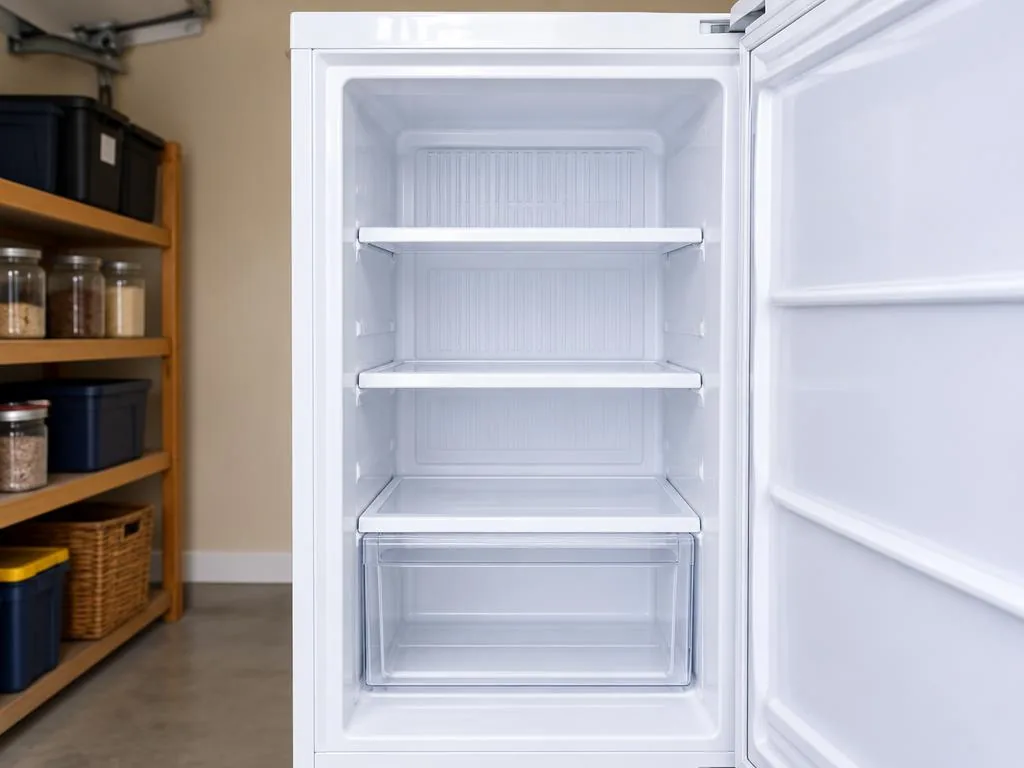
Open upright freezer with clean white shelves and a clear storage drawer

Start with the symptom

The technician explains the diagnosis and quotes the repair before any work begins. The service-call fee is credited toward your repair when you go ahead with it.

Request service

We’ll contact you to confirm availability. Sending a request does not reserve a time.

Symptoms we fix

Freezer is not freezing food

Possible causes. Possible causes include an airflow restriction, failed evaporator fan, temperature-control fault, or compressor/start-circuit problem. A refrigerant leak or restriction is another possibility, but warm food alone cannot identify a sealed-system fault. Recent loading and door openings can also raise temperatures temporarily.

What the technician checks. The technician measures temperature, checks airflow and door sealing, and evaluates fan operation and the cooling pattern. On an upright frost-free freezer, the evaporator condition can be especially informative. Chest freezers may use a different cooling arrangement, so diagnosis follows the model.

Typical repair. The repair may restore airflow, replace a tested failed sensor or start component, or lead to a cooling-system assessment. Suspected sealed-system work requires a specific discussion of scope and options rather than an assumed refrigerant recharge.

First-visit outlook. Completion on the first visit depends on the confirmed fault, safe access, and the correct model-specific part being available. A return visit may be needed if a component must be ordered.


Heavy frost forms on walls or the back panel

Possible causes. A leaking door seal, repeated door opening, humid air, or a failed defrost component can create frost. Manual-defrost chest freezers naturally accumulate frost over time, while heavy ice behind a frost-free freezer’s panel can indicate a different problem.

What the technician checks. The technician identifies whether the model is manual-defrost or frost-free, examines the frost pattern, and checks seals and the relevant defrost circuit. Heater, thermostat or sensor, and control operation may need testing. The distinction prevents normal maintenance needs from being treated as a component failure.

Typical repair. A diagnosed seal or defrost fault can be repaired. Manual defrosting should follow the owner manual. Do not chip ice with sharp tools or apply uncontrolled heat; damaging a refrigerant passage can turn a maintenance issue into a major repair.

First-visit outlook. Completion on the first visit depends on the confirmed fault, safe access, and the correct model-specific part being available. A return visit may be needed if a component must be ordered.

Freezer runs continuously

Possible causes. Warm surroundings, poor condenser ventilation, a leaking gasket, a control fault, or reduced cooling capacity can extend run time. Recent loading also matters. Continuous sound alone is not enough to identify a failed compressor, especially on designs that vary operating speed.

What the technician checks. The technician compares actual temperature with the setting, checks airflow and sealing, and evaluates cycling under the current conditions. A freezer that runs but reaches temperature differs from one that runs while food thaws. The frost pattern and electrical checks help separate those situations.

Typical repair. The remedy may improve ventilation, correct sealing, or replace a confirmed control component. Reduced cooling capacity needs its own assessment. Replacing a thermostat without checking the operating conditions may leave the underlying cause unchanged.

First-visit outlook. An accessible adjustment or obstruction may be addressed during the visit. A failed component, hidden damage, or an intermittent fault can require parts or further testing; immediate completion is not guaranteed.

Door or lid does not seal properly

Possible causes. Food packaging, a dirty or damaged gasket, hinge alignment, or cabinet leveling can prevent a good seal. Humid room air entering the cabinet can increase frost and running time. A chest lid and an upright door have different loading and hinge considerations.

What the technician checks. The technician checks closure, gasket contact, hinge condition, and whether storage interferes with the door. Condensation around one area can help locate air leakage. The inspection also considers whether the cabinet or lid has damage beyond a simple gasket problem.

Typical repair. An obstruction or alignment problem may be corrected, while a damaged gasket or hinge may need model-matched replacement. Do not force a distorted door closed with improvised straps or modify the latch; the repair should restore normal safe operation.

First-visit outlook. An accessible adjustment or obstruction may be addressed during the visit. A failed component, hidden damage, or an intermittent fault can require parts or further testing; immediate completion is not guaranteed.

Clicking, buzzing, or unusual fan noise

Possible causes. A compressor start device, overload protection, fan contacting ice, or vibration can create noise. Some operating sounds are normal, but repeated clicking with rising temperature may indicate failed start attempts. The source and timing matter more than the description of the sound alone.

What the technician checks. The technician locates the sound and checks fan clearance, mounting, and relevant start-circuit behavior. An iced fan and a compressor-start problem call for different repairs. A safe recording can help describe an intermittent sound without removing panels or touching components.

Typical repair. A confirmed mounting, fan, or start-component problem can be addressed. If the compressor itself appears faulty, the technician discusses further assessment and repair value. Changing a relay without checking the surrounding circuit is not a complete diagnosis.

First-visit outlook. Completion on the first visit depends on the confirmed fault, safe access, and the correct model-specific part being available. A return visit may be needed if a component must be ordered.

Temperature fluctuates or an alarm returns

Possible causes. A door leak, sensor fault, control issue, interrupted supply, or recurring airflow restriction can produce swings. Alarm thresholds and display behavior vary by model. An alarm after adding food is different from repeated alarms with an otherwise stable load and closed door.

What the technician checks. The technician checks measured temperatures, alarm history where available, sensor response, and door or airflow conditions. Documenting when the alarm sounds helps reveal patterns. A display reading may not equal every food item’s temperature, so direct measurements are useful.

Typical repair. The solution may correct a seal or airflow issue or replace a tested sensing/control component. An intermittent power problem may require an electrical professional. Do not silence a recurring alarm and assume that food is remaining safely frozen.

First-visit outlook. Completion on the first visit depends on the confirmed fault, safe access, and the correct model-specific part being available. A return visit may be needed if a component must be ordered.

Types we service

Upright frost-free, upright manual-defrost, and chest freezers differ in airflow and defrost design. Refrigerator freezer sections also interact with the fresh-food compartment. Share the model and installation location, including whether the unit is in a garage. Ambient-temperature limits are model-specific; a setting change cannot make every freezer suitable for every room.

  • Residential upright freezers
  • Chest freezers
  • Refrigerator freezer sections
  • Manual-defrost and frost-free designs

Brands we work on

  • Sub-Zero logo
  • Thermador logo
  • GE logo
  • Frigidaire logo

Independent appliance repair service, not affiliated with or authorized by any manufacturer. Call with the model to confirm service for a brand not listed here.

What to do while you wait

  • Keep the lid or door closed and move vulnerable food to a working freezer where possible. Use a thermometer and follow FoodSafety.gov guidance; do not taste food to decide whether it is safe.
  • If the problem follows an outage, note how long power was off and whether the freezer was full. A closed full freezer typically holds temperature longer than a half-full one, but food condition and official guidance determine what to keep.
  • For smoke, damaged wiring, or a burning smell, stop use and disconnect power only if safe. Do not repeatedly power-cycle the compressor, remove electrical covers, or bypass protective controls.
  • Follow only the manual’s defrost instructions. Do not use knives, drills, heat guns, or open flames to remove ice, and do not puncture tubing. Keep children away from any out-of-use freezer and follow safe disposal guidance.

Repair or replace?

An otherwise sound freezer with a damaged gasket or failed control is a different decision from an appliance with major cooling-system trouble and extensive cabinet wear. Compare the quote with replacement including delivery and removal. Food-loss concerns also matter, but they do not identify which component has failed.

A historical NAHB study summarized by Consumer Reports estimated average freezer life at about 11 years; that is not a prediction for your unit. Use, maintenance, ambient conditions, and design affect service life. Consider repeated failures and parts availability, and do not treat an age estimate as an automatic replacement rule.

Cost factors

The repair quote depends on the diagnosed fault, the correct part for the model, labor time, and safe access to the appliance. A control board replacement is a different job from an accessible connection or adjustment. Parts ordering and a return visit may affect the plan, so ask what is included before deciding to proceed.

The technician explains the diagnosis and quotes before work begins. The service-call fee is credited toward your repair when you go ahead with it. There is no published price range because symptoms do not establish the work required. Ask about coverage for the proposed repair and whether replacement is a reasonable alternative.

What appliance repair costs →

Repairs are backed by a 3-month warranty. Warranty information →

Related guides

Freezer Repair FAQs

Is frost always a sign of failure?

No. Manual-defrost models need periodic defrosting according to their instructions. A frost-free freezer with persistent heavy ice may have a seal, airflow, or defrost fault. The model and frost location matter. Do not chip ice from a wall or cooling surface to try to identify the design.

Can a freezer run normally in an unheated garage?

That depends on its rated ambient-temperature range. Check the exact model manual; not every freezer is intended for very cold or hot spaces. Tell us where it is installed and whether the problem follows weather changes. Diagnosis should consider operating conditions before a control or compressor is blamed.

What should I do with thawing food?

Keep doors closed, use a thermometer if available, and follow official food-safety guidance for the food involved. Never taste it to check safety. Move it to safe cold storage where possible. Service availability cannot substitute for a food-safety decision while temperatures are rising.

Is clicking proof the compressor needs replacement?

No. A start component, electrical-supply problem, fan interference, or vibration can create noises. Repeated failed starts with warming need assessment, but sound alone is not conclusive. The technician checks the relevant circuit and cooling behavior before discussing a compressor-related repair.

Can I speed up defrosting with a sharp tool?

No. A sharp tool can puncture a refrigerant passage or damage the liner. Follow the owner manual, protect surrounding floors, and keep electrical connections dry. Uncontrolled heat also risks damage. If frost returns quickly on a frost-free model, the cause needs diagnosis rather than repeated melting.

Do you service both chest and upright freezers?

Yes, our listed service includes residential chest and upright units in the home. Provide the model and describe access and the installation location. The team confirms availability. Parts and the diagnosed fault determine whether work can be completed at one visit or needs a follow-up.

Will the technician discuss repair value?

The diagnosis and quote help you compare repair with replacement. Ask about parts, overall condition, and any manufacturer coverage. A simple control fault and a major cooling-system problem are different decisions. The service-call fee is credited toward the repair when you proceed, and completed repairs have a 3-month warranty.

Request freezer repair

Send a request and our team will contact you to confirm availability.

Request Service
Call TextRequest