Skip to content

Microwave Repair in Belmont & Greater Boston

A microwave that runs without heating, sparks, or stops responding requires model-specific diagnosis. We focus on residential built-in and over-the-range units in Belmont and nearby Greater Boston towns, including drawer designs within our listed scope. Never remove the cover: dangerous high voltage can remain inside even after the microwave is unplugged.

  • Open daily 7 AM–7 PM
  • 3-month warranty
  • Insured
  • Service-call credit toward repair
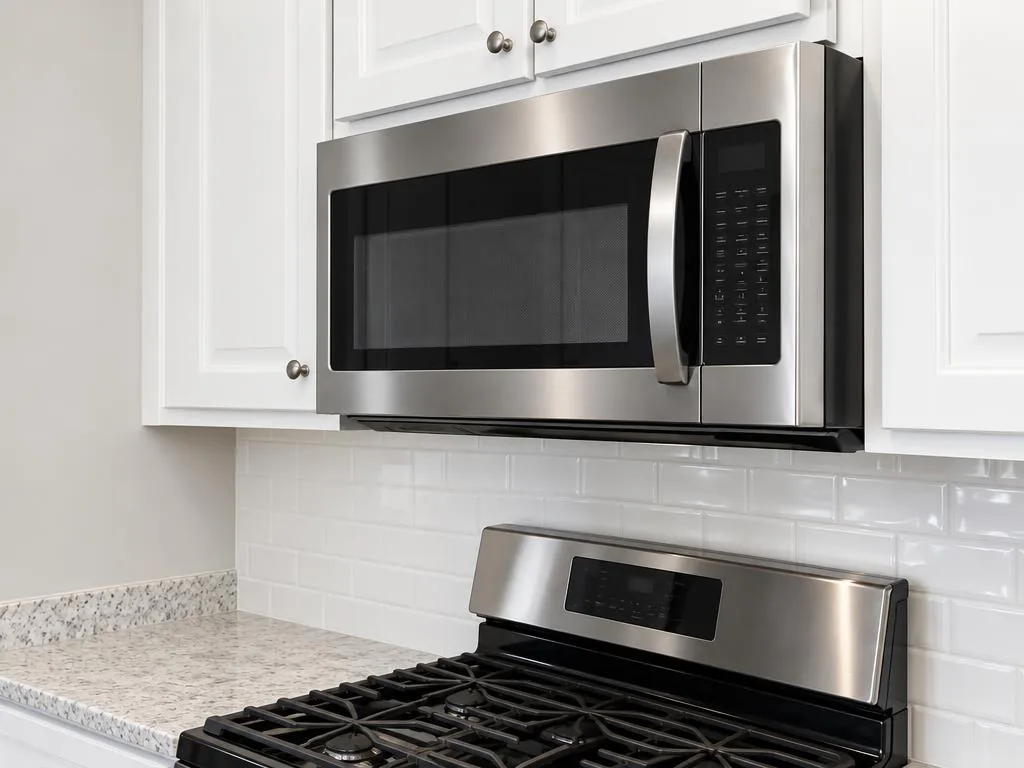
Stainless over-the-range microwave mounted above a kitchen stove

Start with the symptom

The technician explains the diagnosis and quotes the repair before any work begins. The service-call fee is credited toward your repair when you go ahead with it.

Request service

We’ll contact you to confirm availability. Sending a request does not reserve a time.

Symptoms we fix

Microwave runs but food stays cold

Possible causes. An unsuitable mode, a door-interlock fault, control issue, or high-voltage heating-circuit fault can prevent heating. Depending on design, that circuit may involve a magnetron, diode, capacitor, transformer, or inverter. Symptoms alone do not identify which component is responsible.

What the technician checks. The technician verifies operating mode and door feedback, then evaluates the model’s heating circuit using appropriate professional procedures. A running fan and lit cavity do not prove the heating system is working. Internal access involves hazards that unplugging alone does not remove.

Typical repair. A confirmed component or control fault may be repairable with the correct part. The quote should consider the model and overall condition before major heating-system work. Do not test internal parts, discharge a capacitor yourself, or run repeated empty cycles to investigate.

First-visit outlook. Completion on the first visit depends on the confirmed fault, safe access, and the correct model-specific part being available. A return visit may be needed if a component must be ordered.

Sparks or arcing inside the cavity

Possible causes. Metal objects, damaged cavity surfaces, residue, or a damaged waveguide cover can cause arcing. A damaged component is another possibility. The location matters, and repeated arcing can worsen damage. Stop the cycle immediately rather than watch to see whether the sparks disappear.

What the technician checks. The technician inspects the cavity, permitted covers, door area, and model-specific components for damage. Owner checks are limited to removing inappropriate items after shutdown and following the manual. Electrical or heating-system inspection is not safe DIY work.

Typical repair. The remedy may remove a loading issue or replace a confirmed damaged cover or component where repair is appropriate. Extensive cavity damage can make replacement the better option. Do not patch burned surfaces with household materials or continue running a unit that arcs.

First-visit outlook. An accessible adjustment or obstruction may be addressed during the visit. A failed component, hidden damage, or an intermittent fault can require parts or further testing; immediate completion is not guaranteed.

Microwave will not start

Possible causes. Control lock, an incompletely closed door, supply interruption, fuse/protection operation, or a control/interlock fault can prevent starting. A dead display and a responsive display with no cycle are different clues. Neither justifies bypassing a door switch to test operation.

What the technician checks. The technician checks external power and settings, door condition, and the relevant control sequence. If a protective device has opened, its cause needs investigation. Door safety systems and internal high-voltage areas require professional handling even when the appliance appears completely dead.

Typical repair. A setting or external supply issue may need no appliance part. A confirmed latch, interlock, protection, or control fault needs a model-correct repair. Safety checks are part of the decision; do not bridge a fuse or defeat the door mechanism.

First-visit outlook. Completion on the first visit depends on the confirmed fault, safe access, and the correct model-specific part being available. A return visit may be needed if a component must be ordered.

Turntable does not rotate

Possible causes. An incorrectly seated tray, damaged roller support or drive coupling, failed turntable motor, or control setting can stop rotation. Some models allow rotation to be disabled. Food touching the cavity can also obstruct the tray, so the mechanical arrangement should be checked first.

What the technician checks. The technician checks model settings, tray seating, support, coupling, and motor operation. Rotation failure and no heating are separate symptoms unless diagnosis shows a common cause. Any internal access remains professional work, even for a seemingly simple motor complaint.

Typical repair. A permitted tray adjustment may solve an external seating issue, while a damaged coupling or motor may need replacement. Follow the manual for removable glass and support parts only. Do not reach beneath a powered unit or use improvised parts to keep the tray turning.

First-visit outlook. An accessible adjustment or obstruction may be addressed during the visit. A failed component, hidden damage, or an intermittent fault can require parts or further testing; immediate completion is not guaranteed.

Buttons or touch controls do not respond

Possible causes. Control lock, surface moisture, a keypad fault, interrupted supply, or control-board problems may prevent commands. A few failed buttons differ from a completely dead display. The model’s lock function and mode settings should be distinguished from component failure.

What the technician checks. The technician checks the controls, supply, and model-specific diagnostics, noting which commands fail. Owner checks should follow only external manual instructions. A reset can clear a display temporarily without correcting a keypad or electrical fault, so recurring behavior needs assessment.

Typical repair. The remedy may be an approved setting adjustment or a confirmed keypad/control replacement. Record errors before any manual-approved reset. Do not remove the control panel or probe connectors; microwave high-voltage hazards can be present beyond the visible touch surface.

First-visit outlook. Completion on the first visit depends on the confirmed fault, safe access, and the correct model-specific part being available. A return visit may be needed if a component must be ordered.

Microwave stops, overheats, or ventilation changes

Possible causes. A blocked vent, cooling-fan issue, thermal protection, control fault, or door/interlock problem can interrupt a cycle. Over-the-range exhaust behavior is distinct from internal cooling behavior. A hot appliance shutting down repeatedly may be protecting itself rather than simply needing a reset.

What the technician checks. The technician checks ventilation, permitted filters, cooling operation, and the sequence leading to shutdown. Installation clearances and model-specific airflow paths matter. A safe description of when it stops helps diagnosis; do not remove covers or keep restarting an overheating appliance.

Typical repair. A confirmed fan, control, or interlock fault may be repaired, or an installation/ventilation issue identified for correction. Stop use until unsafe overheating is addressed. Never bypass thermal protection or operate with a damaged door, latch, or exposed internal parts.

First-visit outlook. Completion on the first visit depends on the confirmed fault, safe access, and the correct model-specific part being available. A return visit may be needed if a component must be ordered.

Types we service

Our focus is built-in, over-the-range, and drawer microwaves in residential kitchens, where replacement can involve cabinetry and mounting. We do not advertise countertop microwave repair as our standard scope. Share the exact model and installation details before a visit; hardwired connections, trim kits, and safe removal can affect the repair plan.

  • Over-the-range microwaves
  • Built-in microwaves
  • Drawer microwaves

Brands we work on

  • Wolf logo
  • Samsung logo
  • GE logo
  • Whirlpool logo
  • KitchenAid logo

Independent appliance repair service, not affiliated with or authorized by any manufacturer. Call with the model to confirm service for a brand not listed here.

What to do while you wait

  • Stop use if there is sparking, smoke, burning odor, or door damage. Disconnect power only if safely accessible; for active fire, follow emergency guidance and do not open the door to inspect flames.
  • Do not remove the cover or control panel, even after unplugging. A capacitor may retain dangerous charge. Leave internal testing, capacitor handling, and high-voltage repairs to qualified service personnel.
  • Use only cookware and loading instructions permitted by the owner manual. Do not run an empty microwave to test it, defeat door interlocks, or attempt to operate with a damaged seal or latch.
  • Clean only owner-accessible surfaces and filters as directed, with power off where required. Record the error, failed function, and model number without dismantling a mounted appliance.

Repair or replace?

A tray support or control issue is a different decision from major heating-system failure or extensive cavity/door damage. For built-in and over-the-range models, compare the quote with replacement including installation, removal, trim compatibility, and cabinet fit. Safe door and cavity condition must be considered alongside cost.

Microwave service life varies by design, use, and installation; no age threshold establishes that repair is worthwhile or unsafe. Consider repeated faults, model-specific part availability, ventilation, and the condition of the door and cavity. We do not encourage repair of unsafe damage merely to avoid the cost of replacement.

Cost factors

The repair quote depends on the diagnosed fault, the correct part for the model, labor time, and safe access to the appliance. A control board replacement is a different job from an accessible connection or adjustment. Parts ordering and a return visit may affect the plan, so ask what is included before deciding to proceed.

The technician explains the diagnosis and quotes before work begins. The service-call fee is credited toward your repair when you go ahead with it. There is no published price range because symptoms do not establish the work required. Ask about coverage for the proposed repair and whether replacement is a reasonable alternative.

What appliance repair costs →

Repairs are backed by a 3-month warranty. Warranty information →

Related guides

Microwave Repair FAQs

Why does it run normally without heating?

The light, fan, and turntable can work independently of the heating circuit. Door feedback, controls, or high-voltage components may be involved. The technician diagnoses the design rather than assume a magnetron failure. Do not remove the cover: dangerous stored charge can remain even with the appliance unplugged.

Is it safe to use after a brief spark?

Stop and follow the owner manual’s safety guidance. An inappropriate object may explain a spark, but damaged surfaces or covers can also cause arcing. Do not repeatedly run it to see whether the problem returns. Persistent arcing or visible damage needs professional assessment before further use.

Does unplugging make internal repair safe?

No. A microwave capacitor can retain dangerous high-voltage charge after power is disconnected. Internal components also require specialized diagnosis and safety procedures. Do not open the cover or attempt to discharge a capacitor. Owner checks should remain limited to external instructions for the exact model.

Can I use it if the door latch is damaged?

No. Stop use and arrange assessment. The door and interlocks are safety systems, not optional conveniences. Do not tape the door shut, bypass a switch, or force a misaligned latch. A proper repair decision includes door and cavity condition rather than only whether the appliance still heats.

Do you repair countertop microwaves?

Our focus is residential built-in and over-the-range units, with drawer designs in our listed service types. We do not present countertop repair as standard service. Call with the model if you are unsure. The team confirms scope and availability before a visit rather than assume every microwave is suitable.

Why does an over-the-range microwave shut down?

Cooling airflow, thermal protection, controls, or door feedback may be involved. Installation and filter condition can matter. Repeated shutdown needs assessment, especially if the appliance feels unusually hot or smells burned. Do not bypass a protective device or repeatedly reset it to continue cooking.

Can repair cost be quoted before work?

Yes. The technician explains the diagnosis and quotes before repair. Ask about parts, installation access, and whether another visit is needed. The service-call fee is credited toward your repair when you proceed. Completed repairs carry a 3-month warranty; ask about the terms for the proposed work.

Request microwave repair

Send a request and our team will contact you to confirm availability.

Request Service
Call TextRequest