Skip to content

Dryer Repair in Belmont & Greater Boston

A dryer that runs without heat or needs repeated cycles may have a heating fault, restricted airflow, or a drive problem. We diagnose residential gas and electric dryers in Belmont and nearby Greater Boston towns. Stop using a dryer that smells burned, overheats, or has a blocked vent rather than testing it with more loads.

  • Open daily 7 AM–7 PM
  • 3-month warranty
  • Insured
  • Service-call credit toward repair
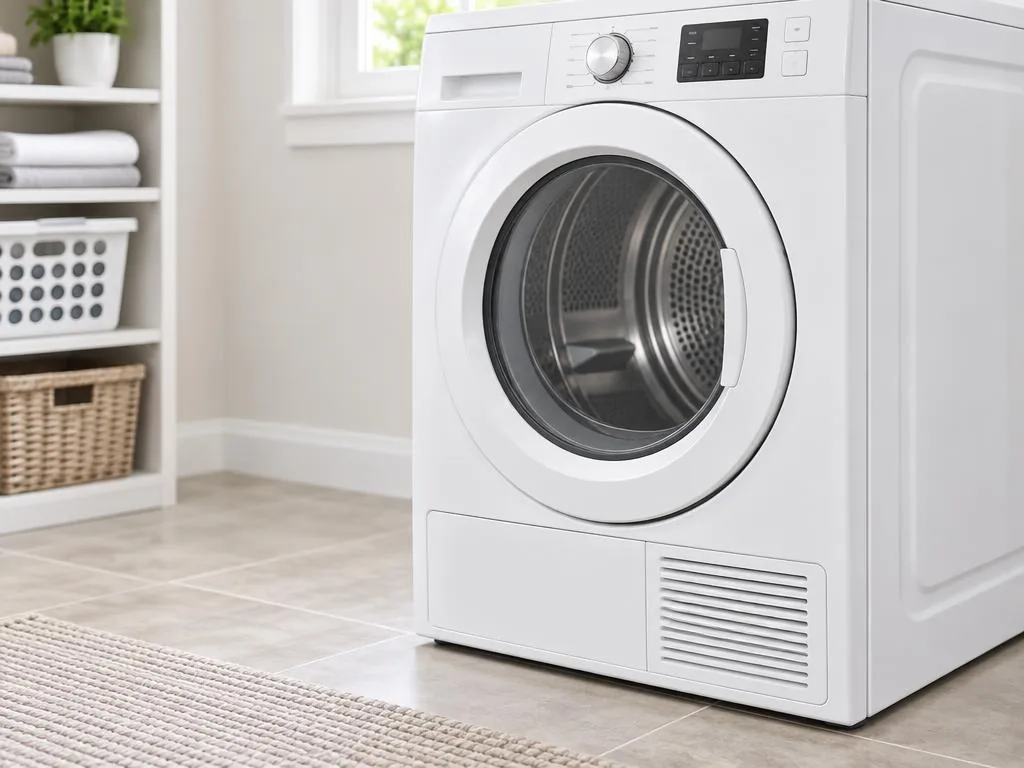
White clothes dryer with a round glass door in a residential laundry room

Start with the symptom

The technician explains the diagnosis and quotes the repair before any work begins. The service-call fee is credited toward your repair when you go ahead with it.

Request service

We’ll contact you to confirm availability. Sending a request does not reserve a time.

Symptoms we fix

Dryer tumbles but does not heat

Possible causes. An electric heating element, thermal cutoff, thermostat, or supply-power problem can leave a drum turning without heat. Gas models can instead have an igniter, flame-sensing, or gas-valve-coil fault. A no-heat cycle setting also needs to be ruled out.

What the technician checks. The technician checks the selected cycle, supply conditions, temperature response, and heating circuit for the specific model. On gas dryers, ignition sequencing helps distinguish an igniter problem from a valve or sensing fault. Airflow is checked alongside heating parts.

Typical repair. A confirmed failed element, thermostat, igniter, or coil can be replaced with the correct component. If a protective cutoff opened because of restricted airflow, replacing it without addressing the restriction can leave the original hazard unresolved.

First-visit outlook. Completion on the first visit depends on the confirmed fault, safe access, and the correct model-specific part being available. A return visit may be needed if a component must be ordered.

Clothes need multiple cycles to dry

Possible causes. A restricted exhaust vent, clogged lint screen, overloaded drum, or weak/intermittent heat can extend drying time. Airflow restrictions can raise internal temperatures while leaving clothes damp. Mixed fabrics and unsuitable cycles can also affect results without a mechanical failure.

What the technician checks. The technician checks heat and airflow, accessible exhaust conditions, lint accumulation, and load/cycle behavior. A vent issue may extend beyond the dryer into the building’s ductwork, so the entire problem should not be assumed to be an appliance part.

Typical repair. The solution may address appliance heating or sensing faults, or identify a vent restriction requiring cleaning or correction. A crushed duct should not be ignored. The technician distinguishes dryer repair from any separate duct or installation work that is needed.

First-visit outlook. An accessible adjustment or obstruction may be addressed during the visit. A failed component, hidden damage, or an intermittent fault can require parts or further testing; immediate completion is not guaranteed.

Dryer will not start

Possible causes. A door switch, thermal fuse, start switch, motor, or power-supply problem may prevent operation. Controls can appear active even if another required circuit is not working. A locked control panel or interrupted supply is different from a failed motor.

What the technician checks. The technician checks power, door-switch feedback, start commands, protective devices, and motor operation. If a thermal fuse is open, the cause of overheating needs investigation. Testing the sequence avoids replacing a control because the start button produces no response.

Typical repair. A diagnosed switch, fuse, or motor fault can be repaired with the appropriate part. Safety devices must not be bypassed, even briefly. A building electrical-supply problem needs the appropriate correction rather than an appliance component replacement.

First-visit outlook. Completion on the first visit depends on the confirmed fault, safe access, and the correct model-specific part being available. A return visit may be needed if a component must be ordered.

Drum does not turn, or the motor hums

Possible causes. A broken belt, seized support roller, motor issue, or obstruction can prevent rotation. Some dryers will not run at all after a belt fails because a belt switch interrupts operation. A hum followed by shutdown can indicate the motor is struggling.

What the technician checks. The technician evaluates the belt path, rollers, idler pulley, drum movement, and motor circuit with safe access. Continuing to run a stalled motor can worsen damage. The sound and whether the drum ever starts are useful details to report.

Typical repair. The repair may replace a worn belt, pulley, roller, or motor after checking related parts. A new belt alone may not last if a seized support component caused the failure. The diagnosis should address the drive system rather than only the visible symptom.

First-visit outlook. Completion on the first visit depends on the confirmed fault, safe access, and the correct model-specific part being available. A return visit may be needed if a component must be ordered.

Squeaking, thumping, or scraping

Possible causes. Worn rollers, an idler pulley, drum glides, or objects caught near the drum can create noise. An uneven load or cabinet vibration can produce a different sound. Persistent scraping is not something to dismiss as normal operation.

What the technician checks. The technician locates the sound during movement and inspects the relevant supports, belt path, and clearances. Noise can change as the dryer warms, so mention whether it begins immediately or only later in a cycle. Internal inspection is professional work.

Typical repair. A confirmed worn support or glide can be replaced, and an obstruction removed without damaging the drum or seals. Replacing unrelated parts based on noise alone is not the right approach; related wear may need to be considered in the quote.

First-visit outlook. Completion on the first visit depends on the confirmed fault, safe access, and the correct model-specific part being available. A return visit may be needed if a component must be ordered.

Dryer overheats or stops before the cycle ends

Possible causes. Restricted exhaust, a cycling thermostat fault, a grounded heating element, or a motor overload can cause high temperatures or shutdown. A dryer that repeatedly stops may be protecting itself. A burning smell or visible smoke calls for immediate action, not another test load.

What the technician checks. The technician checks exhaust flow, temperature cycling, protective controls, heating behavior, and motor condition. Repeatedly resetting or replacing a protective device without finding the cause can mask the problem. The inspection must distinguish an airflow hazard from a faulty sensor or heater.

Typical repair. The repair may correct a confirmed thermostat or element fault and identify vent work that is necessary. Keep the dryer out of use until the overheating cause is addressed. Never bypass a thermal fuse or operate with damaged exhaust connections.

First-visit outlook. Completion on the first visit depends on the confirmed fault, safe access, and the correct model-specific part being available. A return visit may be needed if a component must be ordered.

Types we service

Gas and electric dryers use different heating systems, while stacked laundry units can restrict access to the rear and lower cabinet. Share the model, fuel type, and installation details when requesting service. Vent routing matters for both types. Do not disconnect a gas line or separate stacked machines to prepare for a visit.

  • Electric dryers
  • Gas dryers
  • Stacked units
  • Residential laundry centers

Brands we work on

  • Miele logo
  • Samsung logo
  • LG logo
  • GE logo
  • Whirlpool logo
  • Maytag logo
  • Bosch logo
  • Frigidaire logo
  • Fisher & Paykel logo

Independent appliance repair service, not affiliated with or authorized by any manufacturer. Call with the model to confirm service for a brand not listed here.

What to do while you wait

  • Clean the lint screen according to the owner’s manual, but do not assume that a clean screen means the entire exhaust duct is clear. Stop use if the vent is restricted or the dryer overheats.
  • If there is smoke or a burning smell, stop the dryer and disconnect power only if safe. For active fire, leave the area and call emergency services rather than trying to diagnose the appliance.
  • If you smell gas, leave immediately without using switches or phones indoors. Call the gas utility or 911 from outside. Do not try to find the leak, move the dryer, or turn valves inside a suspected leak area.
  • For non-emergency servicing, leave gas connections and internal electrical parts to a qualified professional. Do not bypass a door switch or thermal fuse, and do not run the dryer unattended to reproduce an overheating fault.

Repair or replace?

A belt or support-roller repair may be a different decision from a motor fault combined with extensive wear. Compare the diagnosis and quote with a suitable replacement, including delivery, installation, removal, and any vent corrections. A replacement dryer does not solve a restricted building exhaust duct.

Dryer lifespan varies with use, maintenance, airflow, and model. Age alone cannot tell you whether a repair is worthwhile. Consider repeated failures, cabinet condition, parts availability, and whether a replacement is compatible with stacked laundry. For gas equipment, safe connections remain essential whichever option you choose.

Cost factors

The repair quote depends on the diagnosed fault, the correct part for the model, labor time, and safe access to the appliance. A control board replacement is a different job from an accessible connection or adjustment. Parts ordering and a return visit may affect the plan, so ask what is included before deciding to proceed.

The technician explains the diagnosis and quotes before work begins. The service-call fee is credited toward your repair when you go ahead with it. There is no published price range because symptoms do not establish the work required. Ask about coverage for the proposed repair and whether replacement is a reasonable alternative.

What appliance repair costs →

Repairs are backed by a 3-month warranty. Warranty information →

Related guides

Dryer Repair FAQs

Why can an electric dryer tumble without heat?

The motor and heating circuit do not always fail together. A supply issue or failed element can leave the drum turning. Protective controls can also interrupt heat. The technician checks the correct electrical supply and heating circuit; a working drum is not proof that the heating system has power.

Can a clogged vent make the dryer stop heating?

Yes. Restricted airflow can cause overheating and open a protective cutoff. The cutoff may need replacement, but the restriction also needs correction. Do not bypass it or assume a new fuse completes the repair. The exhaust path should be assessed when heat or drying performance is abnormal.

Should I use the dryer if it takes three cycles?

Avoid repeated cycles until the cause is understood, especially if the cabinet feels unusually hot or there is a burning smell. Clean only the owner-accessible lint screen and report the symptoms. Vent restriction and heating faults need different remedies, and extra cycles can increase energy use and risk.

What causes gas heat to stop after starting normally?

Gas-valve coils, ignition sensing, controls, or airflow-related shutdown are possible causes. Intermittent behavior needs testing rather than an assumed part replacement. Note when heat stops, but do not open the burner area or inspect a gas connector yourself. A gas odor is an emergency, not a routine appointment issue.

Does a squealing dryer need a new motor?

Not necessarily. An idler pulley, roller, or glide can make noise while the motor remains functional. The technician locates the source and checks related wear. A recording made from a safe distance may help describe the sound, but stop use if scraping, overheating, or burning smells appear.

Will you also identify a vent problem?

Airflow is relevant to dryer diagnosis, so restrictions should not be ignored. Building duct cleaning or installation changes can be separate work from appliance repair. Ask what the quote includes and what other correction is needed. We do not imply that every vent layout can be resolved during an appliance visit.

Is same-day dryer repair guaranteed?

No. Same-day service is subject to availability, and completion depends on the diagnosis and correct parts. Our team confirms the visit time. The technician quotes before work, and completed repairs are backed by a 3-month warranty; ask about coverage for the specific work being proposed.

Request dryer repair

Send a request and our team will contact you to confirm availability.

Request Service
Call TextRequest